Recently, those planning to travel or study in the United States have likely encountered the same challenge: securing a U.S. visa interview slot is extremely difficult.
Many applicants have been patiently waiting for weeks, even months, on the appointment system, repeatedly refreshing their pages but still unable to book an interview time. Some have been forced to cancel long-awaited trips to the U.S., while prospective students are deeply anxious, fearing they might miss the fall semester start date. Amid this severe supply-demand imbalance, a gray-market industry offering paid services to secure U.S. visa appointments has quietly emerged, with prices starting at thousands of yuan—but the hidden risks behind it deserve everyone’s attention.
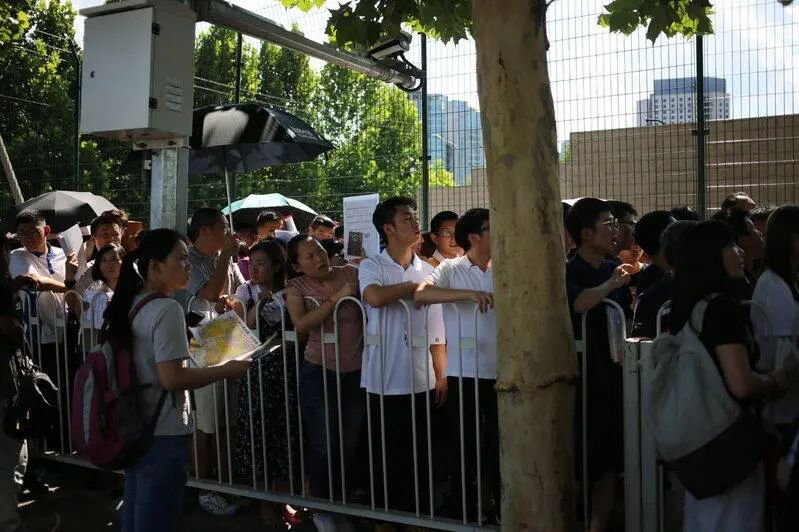
Under current application procedures, domestic applicants seeking B1/B2 business/tourism visas or F/J/M student/exchange visas must schedule an in-person consular interview after completing the online form and paying the visa fee; the outcome of this interview directly determines whether the visa will be approved. Yet today, countless applicants find themselves stuck at this very first hurdle—booking an appointment.
Mr. Chen from Shanghai originally planned to apply for B1/B2 visas for his parents, intending to take them on a trip to Los Angeles during the National Day holiday. For two consecutive weeks, he logged into the appointment system at fixed times each day, trying repeatedly—but to no avail.
Sometimes the webpage would freeze on the security verification screen for extended periods, preventing him from proceeding; even after enduring long waits and finally logging in, once all information was submitted, the page would coldly display “No available slots.”
The internet is flooded with various tips for securing appointments: releasing slots precisely at the hour, Mondays or Thursdays offering better chances of snagging open slots, booking across different cities to increase success rates… He tried every method one by one, yet still came up empty-handed. Considering that applying through another consular district would incur substantial travel and accommodation costs, and that appointment availability in other districts remains equally tight, Mr. Chen ultimately had no choice but to abandon his travel plans. If he postponed until the Christmas season, airfare and lodging prices would skyrocket, clashing with his family’s holiday schedule as well—leaving his long-awaited international trip indefinitely shelved.
According to the latest visa wait-time estimates released by the U.S. Department of State’s Bureau of Consular Affairs in July:
✅ Estimated wait times for B1/B2 business/tourism visas: Beijing—2.5 months; Shanghai—3.5 months; Guangzhou—1 month; Wuhan—1.5 months
✅ Estimated wait times for F/M/J student and exchange visas: Beijing—4.5 months; Shanghai—4 months; Guangzhou—1.5 months; Wuhan—2 months
The official statement also specifically notes: These figures are only approximate estimates and do not guarantee that applicants will secure an interview within this timeframe. Consulates dynamically release new appointment slots based on overall demand, meaning the actual difficulty of securing an appointment far exceeds these numbers.
Many applicants report that appointment platforms now feature a virtual queuing system.
During peak hours, users are directed to a Waiting Room where they may need to wait tens of minutes—or even several hours—before gaining access to the appointment system. Even after such lengthy waits, there is still a high likelihood of finding no available slots.
With the September school term approaching, many prospective international students are feeling increasingly anxious.
Many have already finalized their overseas university admissions and signed rental contracts, yet they still cannot secure an interview, leaving their ability to depart on time uncertain. To try to book earlier appointment slots, some applicants turn to online appointment-reservation services.
Market reports indicate that reserving a B1/B2 tourist visa typically costs around 1,000 yuan per person, while student visa reservations can cost as much as 1,500 yuan; aiming for even earlier, expedited appointments drives prices higher still.
However, these service providers merely promise continuous, repetitive attempts to book appointments—they cannot guarantee success.
As a result, many applicants strongly oppose such practices. One applicant remarked frankly: “Visas already require filing fees; spending an additional thousand yuan to hire someone to secure an appointment adds up to a significant extra expense.”
A greater risk lies in the fact that most appointment-reservation services require applicants to provide their own account credentials and login passwords, entrusting third parties to repeatedly refresh the system. Personal passport details, family information, and travel plans are all tied to these accounts; if such data is stolen or misused by criminals, subsequent efforts to protect one’s rights become exceedingly difficult.
Here are a few practical reminders:
Approach all sorts of “quick-fix” methods with caution. Online claims about releasing slots at specific times or finding openings on certain days lack official backing; treat them as references only, but avoid over-reliance.
Be prudent when considering cross-consular district appointments. While Guangzhou and Wuhan offer relatively shorter estimated wait times, traveling to another city for an interview entails additional expenses for transportation and lodging—weigh these factors carefully against your personal circumstances.
It is not advisable to entrust your account to third-party reservation services. Lending your account carries risks of privacy breaches and potential system restrictions; moreover, gray-market services enjoy no official protection, making it extremely difficult to recover losses if you fall victim to fraud.
Regularly monitor the appointment system. Consulates occasionally release previously canceled slots, so maintaining consistent updates increases your chances of finding unexpected openings.
International students should allow ample buffer time. If you still haven’t secured an interview close to the start of the semester, prepare alternative plans in advance and promptly communicate with your school regarding possible deferrals.
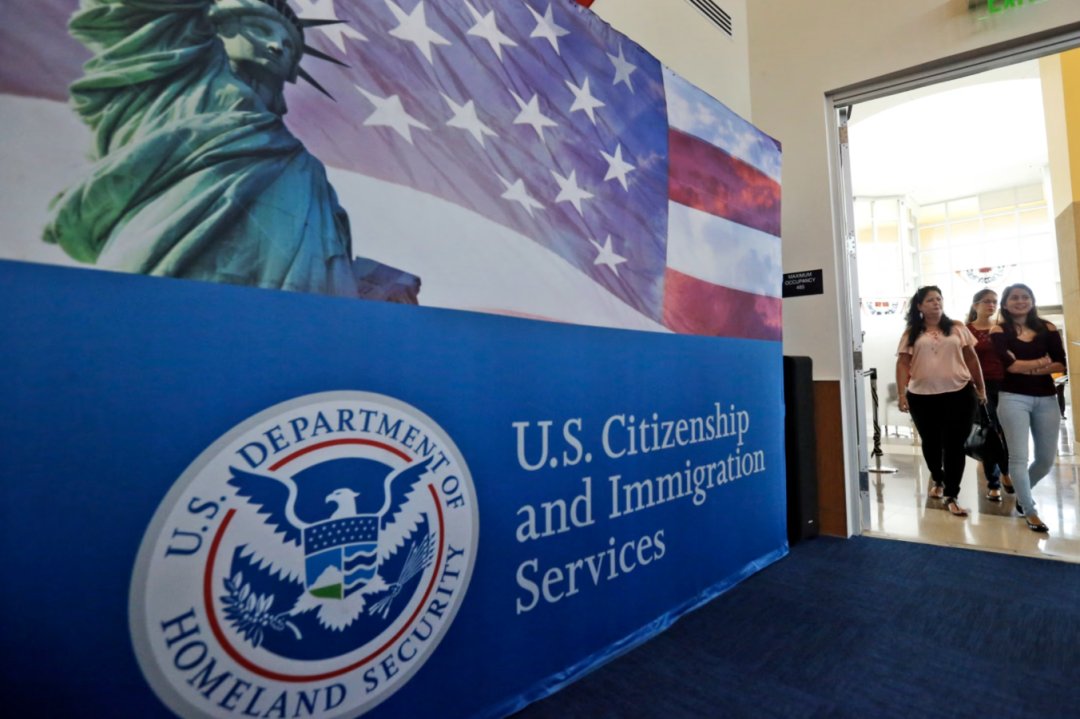
The first hurdle on the road to the U.S. lies in securing an interview appointment. Surging demand coupled with limited interview capacity has created a massive gap, and the current shortage of available slots is unlikely to ease quickly in the near term. All applicants are urged to stay calm, plan ahead, safeguard their personal information, and refrain from believing overly aggressive advertisements for paid appointment services—avoiding both financial loss and wasted effort.
If you don’t want your child’s U.S. residency status to remain contingent on temporary visas, we recommend tailoring a customized green card application strategy based on your family background, individual educational qualifications, and professional experience. Scan the QR code to connect with our assistant, schedule a free one-on-one consultation, and receive expert, compliant guidance on U.S. immigration planning—securing your family’s long-term advantages well in advance.